
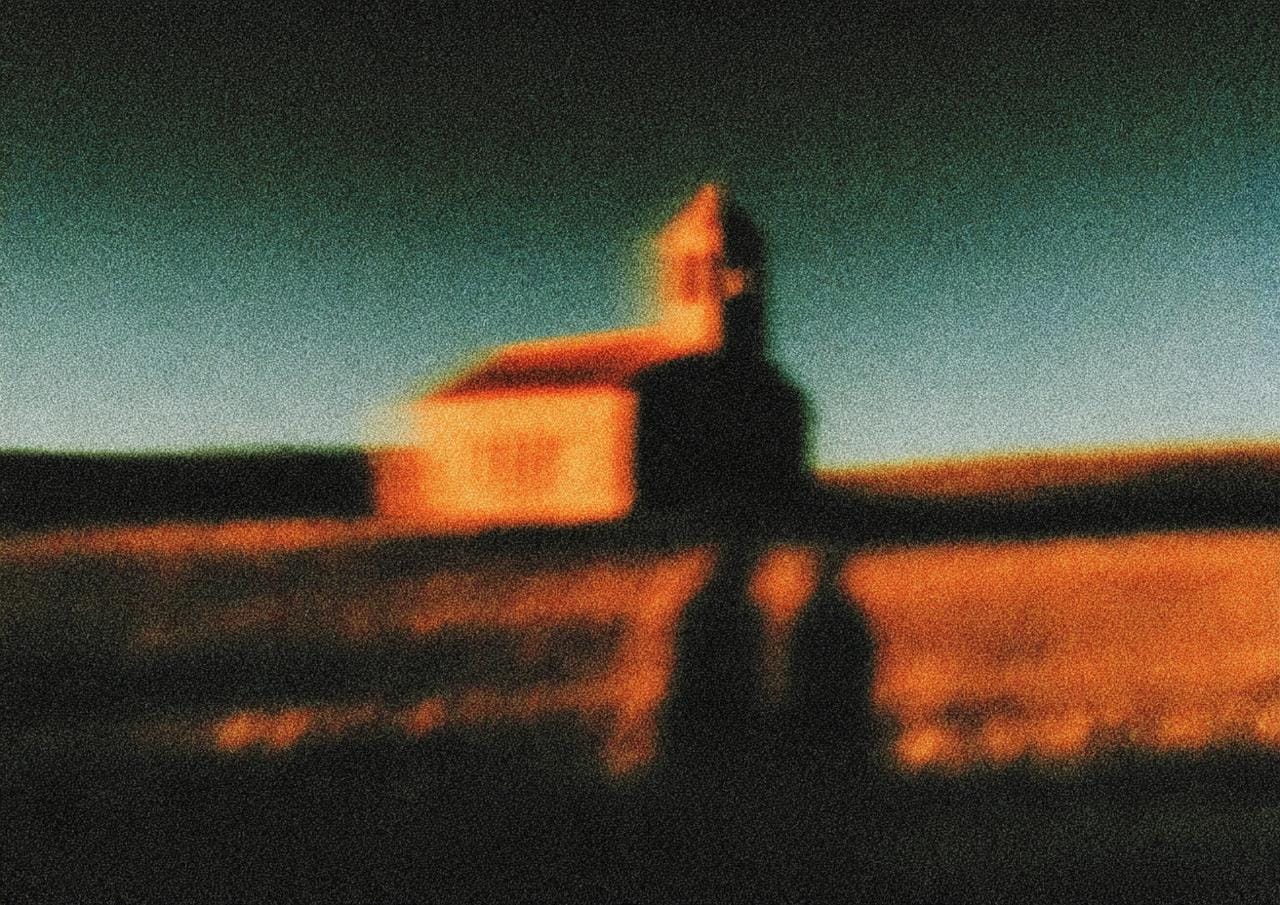
Another One Bites The Dust
The fifteenth installment in Tales from the Westside
From 1903 to 2010, the Charlotte Ave. Church of Christ stood at the corner of Charlotte and 46th. Constructed of Limestone and brick, it boasted a two-story bell tower, stained glass windows and one of the largest congregations in Nashville. But over the decades, those folks either passed away or moved on leaving the church to close in 2007.
I’d been driving past that old church for years and taken it largely for granted. As long as I’d lived in the neighborhood, its doors had been open, and when they closed, I assumed someone else would take possession of it. After all, it was a landmark, so I never considered the possibility that, like so much of my neighborhood, it could be wiped off the map in an instant and replaced with something far less evocative.
For years several ‘For Sale’ signs dogged the church’s increasingly lonely façade, as the once manicured churchyard gave way to a tangle of overgrown grass, untended shrubs and dying trees. The building looked so forlorn and forsaken that the sight of it broke my heart on a daily basis. Gone were the celebrations and sermons, weddings and funerals, bake sales and pageants congregants had hosted there over decades, and every moment that had filled that building with the light and purpose of the community that belonged there had been swept away as if it had never existed.
There was talk of the church being repurposed to house a Rescue Mission or a halfway house for troubled youth. But even the whisper of such a thing was unwelcome to many in the neighborhood; gentrification had begun in earnest, and they feared such a move would stop the process in its burgeoning tracks.
Many of us dreamed about the building becoming a theater space or a music venue, which would have been a great addition to the neighborhood. But sadly, saving this outmoded relic was not at the top of anybody’s bucket list. Anybody with money, that is. But then, one day, a woman who had nothing on her bucket list besides memorializing the historic church set up shop just across the street.
She appeared out of the blue one morning with an easel, several canvases and painting supplies, made herself at home in front of the perpetually empty parking lot just across 46th and began to paint the sad, lonely church. Day after day, week in and week out, no matter the weather, there she was whipping out canvas after canvas as if she were serving fast food at one of the drive-thrus on Charlotte. Even when the temperatures dropped, she showed up, clad in a woolen hat, ankle-length coat and fingerless gloves, painting away for as long as the light cooperated and she could feel her fingers.
It wasn’t long before the original renderings featuring the stately limestone and stained-glass façade gave way to canvases that dressed the old girl in bright blues and purples, reds, yellows, greens and tangerines. I felt like the church was being given a last chance to shine, and it knew it. The once beloved structure had regained a sense of purpose, and there it was, posing for posterity, giving it one last go. And everyone in the neighborhood was grateful for the painters’ unwavering passion for capturing the historic site as many times as possible before the inevitable happened and it was razed to make way for another Walgreens.
I got a chance to thank the painter one day while stopped at the traffic light there. Brush and palate in hand, she smiled at me from behind her deep, knowing eyes and nodded. I felt like we were connected; that both of us had a clear view of the bigger picture—another piece of history that had defined the West side was being ripped away right before our eyes, and she had been called to capture its spirit before it disappeared.
A few weeks later, the church was demolished, leaving a pile of rubble in its wake. Little by little they hauled the bones of the old church away until all that remained was a trio of ‘For Sale’ signs and a scarred swath of earth; 1.45 acres of earth to be exact, which was “zoned commercial." And for the next two years it stayed like that. The place where the church had stood now resembled a vast moonscape of dull gray gravel, pockmarked with trenches that were either muddy or dusty, depending on the weather. And the desolate scar that occupied an entire city block carved a hole in my heart every time I passed it. “I hope they never sell you!” I’d yell at the empty lot, as if that could bring back the glory days of the church that once stood tall on that spot.
Eventually, the land was bought by a developer who erected an unattractive apartment building that, to this day, has never reached full occupancy. And I can’t help but wonder what happened to the painter and the scores of canvases that captured the beauty of a bygone era, when community mattered more than commerce. I really wish I’d had the presence of mind to get her name. They say you can’t stop progress, and maybe that’s true. But as far as I’m concerned, in this instance, progress isn’t all it’s cracked up to be.